The best operational platforms make complex businesses feel effortless.

THE CARS COLLECTIVE

The Cars Collective is not the story of a used car marketplace.

It is the story of transforming an operationally complex business into a connected digital workflow.

Buying and selling a used car involves far more than a customer transaction. Every vehicle passes through inspections, valuations, approvals, dealer interactions, documentation, financing and final delivery. When these processes rely on paper, spreadsheets and disconnected systems, inefficiencies quickly multiply.

The Cars Collective recognised that improving customer experience first required improving operational experience. Rather than digitising isolated tasks, the platform was designed to connect every stage of the vehicle lifecycle into a single, paperless ecosystem.

This Product Story explores how thoughtful product design can simplify operations without oversimplifying the business itself.

---

Industry
Automotive / Used Vehicle Retail
Engagement
Product Strategy • Platform Design • UX Strategy • Mobile Experience
Timeline
(To be added)
Role
Product definition, experience design and platform architecture.
Outcome
A connected digital platform supporting inspections, sales, dealer collaboration and paperless operations.
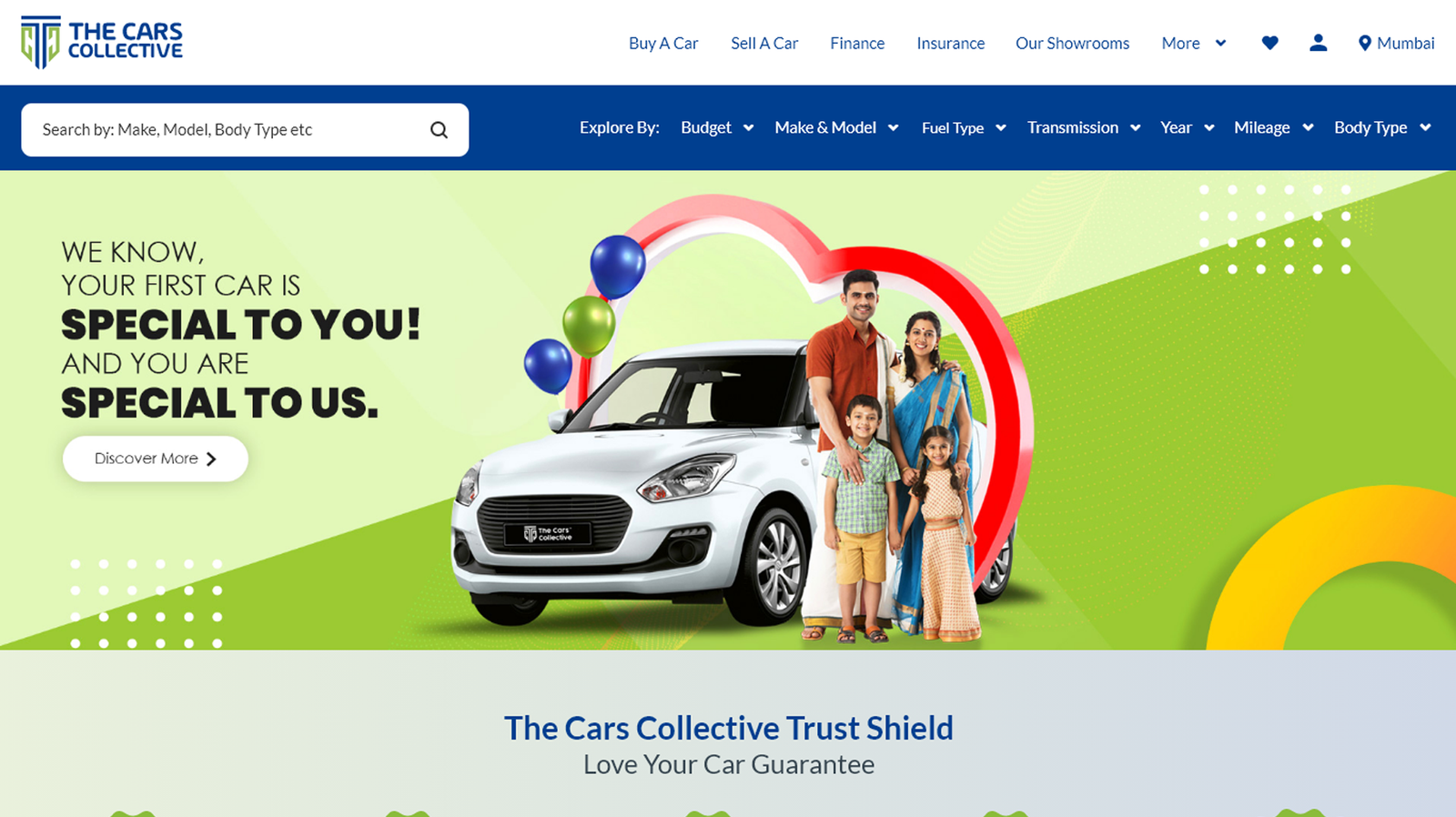
The Cars Collective platform overview
Platform Overview

The Opportunity

The used car industry is built on coordination.

Vehicles move between inspectors, sales teams, dealers, finance providers and customers before a transaction is complete. When these activities are disconnected, delays become normal, visibility is lost and customer experience inevitably suffers.

The opportunity wasn't simply to digitise paperwork.

It was to redesign the entire operational journey around speed, transparency and collaboration.
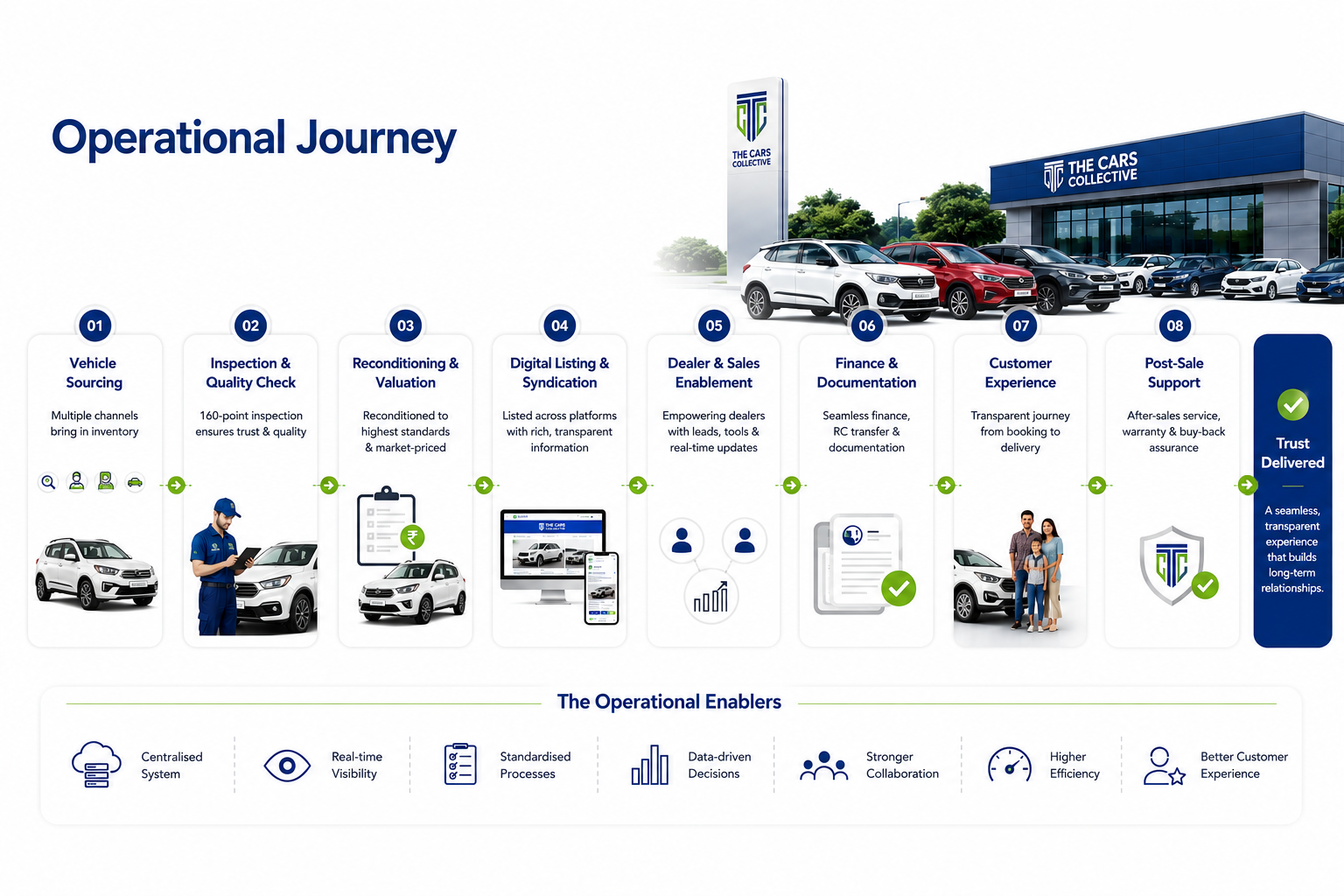
Operational journey
Operational Journey

Understanding the Problem

Research focused on understanding how vehicles moved through the business rather than simply how customers purchased them.

Every inspection, approval and document represented another handover between teams. Those handovers became the primary source of inefficiency, duplicated effort and communication breakdowns.

Understanding these operational dependencies shaped the product long before interfaces were designed.

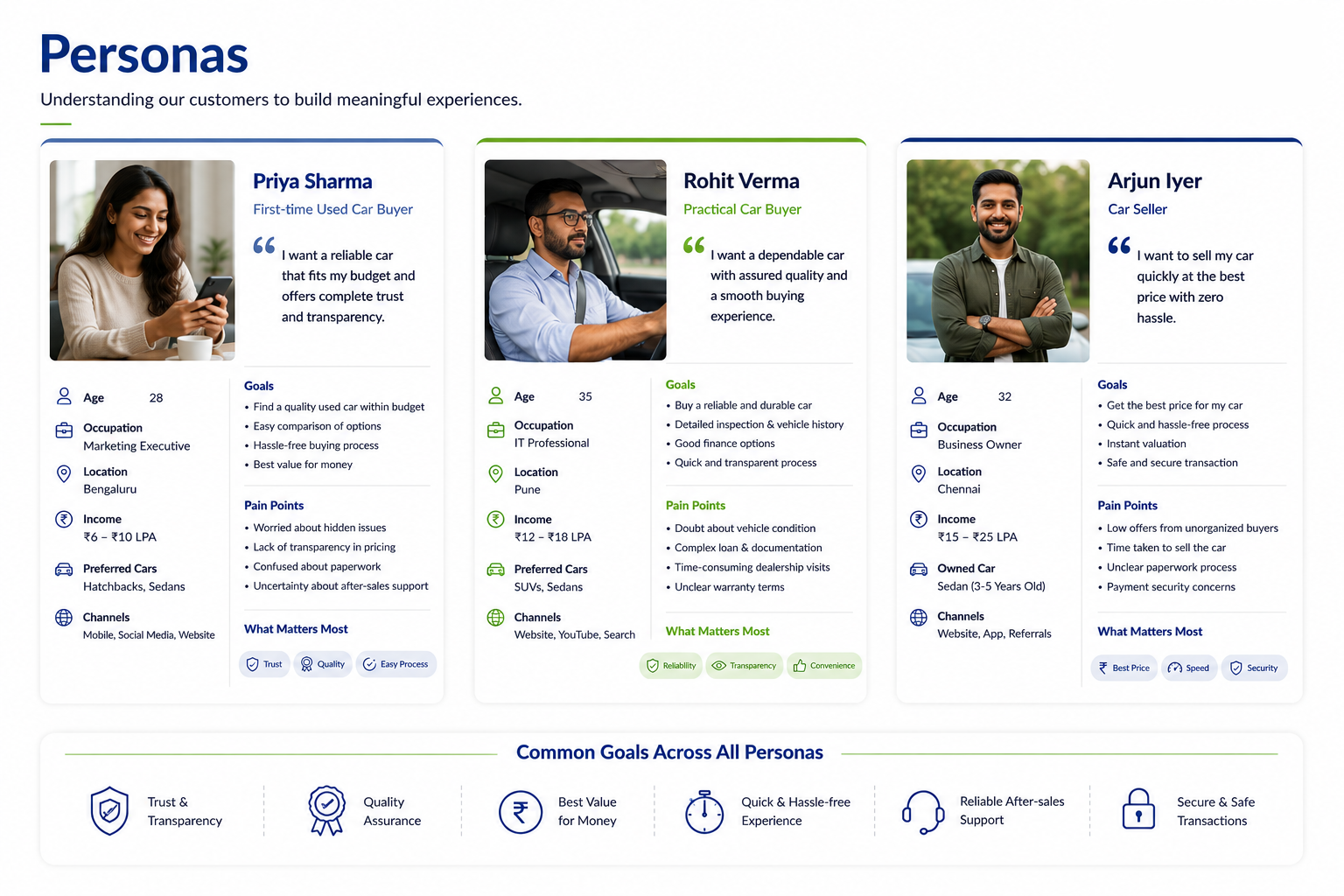
Personas
Personas

Defining the Product

The platform was designed around workflows rather than features.

Inspection, procurement, dealer management, documentation, inventory and customer interactions became connected stages within a single operational experience. Every decision aimed to reduce friction between departments while giving each participant the information they needed at the right time.

The objective wasn't simply digitisation.

It was operational continuity.

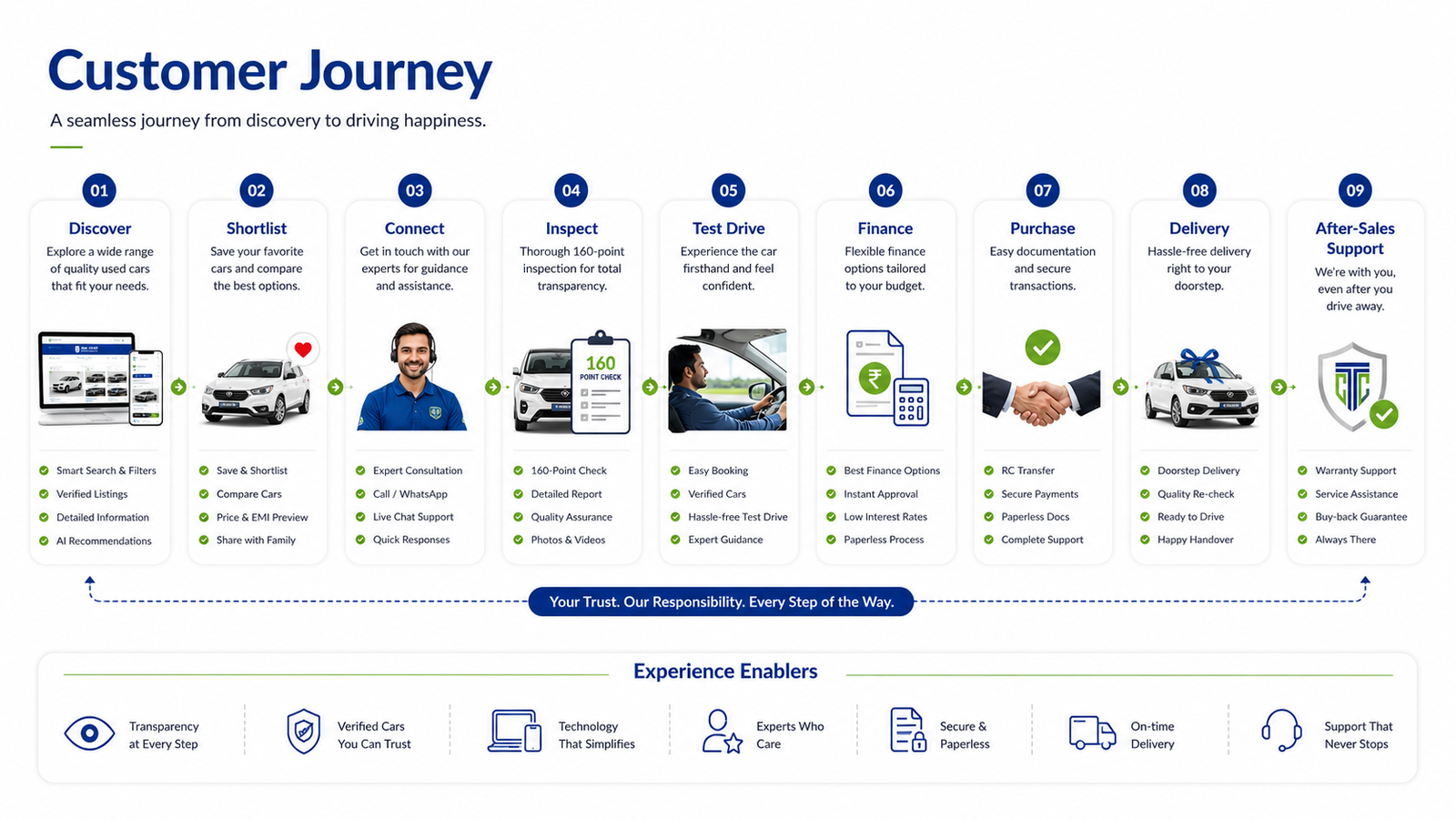
Customer journey
Customer Journey

Designing the Experience

Every user experienced the platform differently.

Customers needed visibility.

Sales representatives needed efficiency.

Inspectors needed structured data capture.

Dealers needed collaboration.

Rather than creating separate disconnected tools, the experience was designed as one integrated platform where every interaction contributed to a shared operational picture.

Paperwork became digital, inspections became structured, approvals became faster and communication became significantly more transparent.

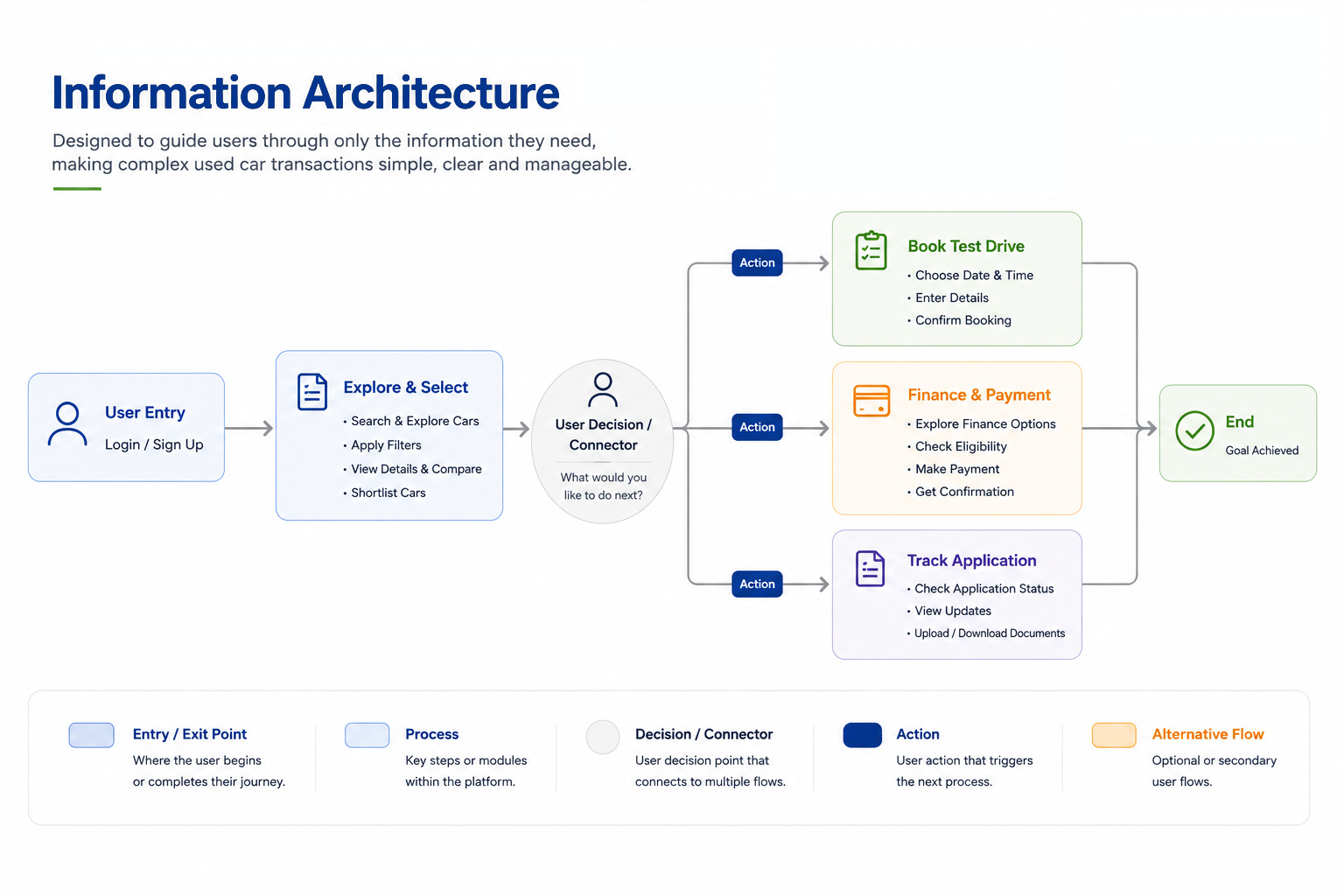
Information architecture
Information Architecture
Inspection app
Inspection App

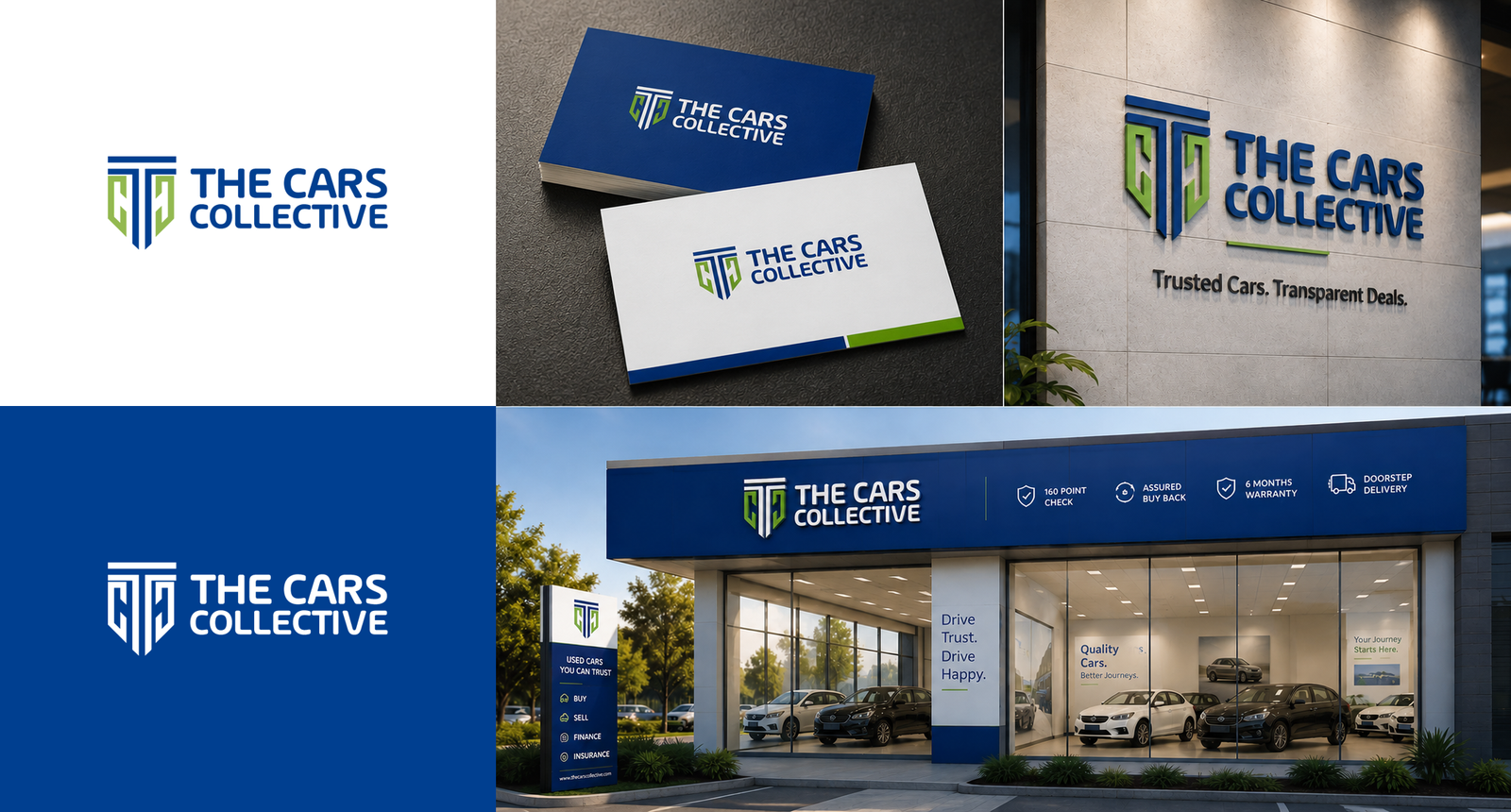
Building the Identity

The platform's identity reflected the same operational philosophy as its experience.

Simple, dependable and efficient.

The design language reinforced clarity across every touchpoint, helping users navigate complex operational tasks without unnecessary cognitive load.

The words explained the platform's purpose.

The experience demonstrated its value.

Brand identity
Brand Identity

Outcome

The Cars Collective successfully replaced fragmented, paper-based workflows with a connected digital platform supporting the complete vehicle lifecycle.

Operational teams gained greater visibility, inspections became more consistent, documentation became paperless and collaboration between customers, sales teams and dealers improved significantly.

Customer experience improved because operational complexity was reduced behind the scenes.

The result wasn't simply a digital platform.

It was a better operating model.

The Cars Collective final platform
Final Platform

Lessons

Digital transformation is often mistaken for replacing paper with software.

Real transformation happens when organisations redesign how work flows between people.

The Cars Collective demonstrated that better customer experiences are rarely created at the customer interface alone. They emerge from better operational systems, clearer workflows and products that connect every part of the business into a single experience.

The most valuable platforms don't just support operations.

They improve the way organisations operate.

Operational excellence is designed long before customers experience it.

Facing a similar challenge?